Fortune Cookie History
The Surprising American Story Behind the Fortune Cookie
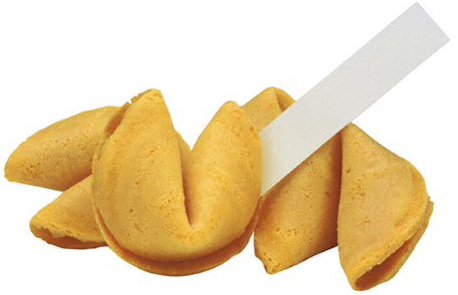
Many people assume fortune cookies are a traditional Chinese invention — but the real story is far more surprising.
Despite their association with Chinese restaurants, most historians agree that the modern fortune cookie is actually an American creation, with deep roots in California and influences from Japanese and Chinese traditions.
The origin of the fortune cookie remains one of food history’s most fascinating mysteries
Where Did Fortune Cookies Really Come From?
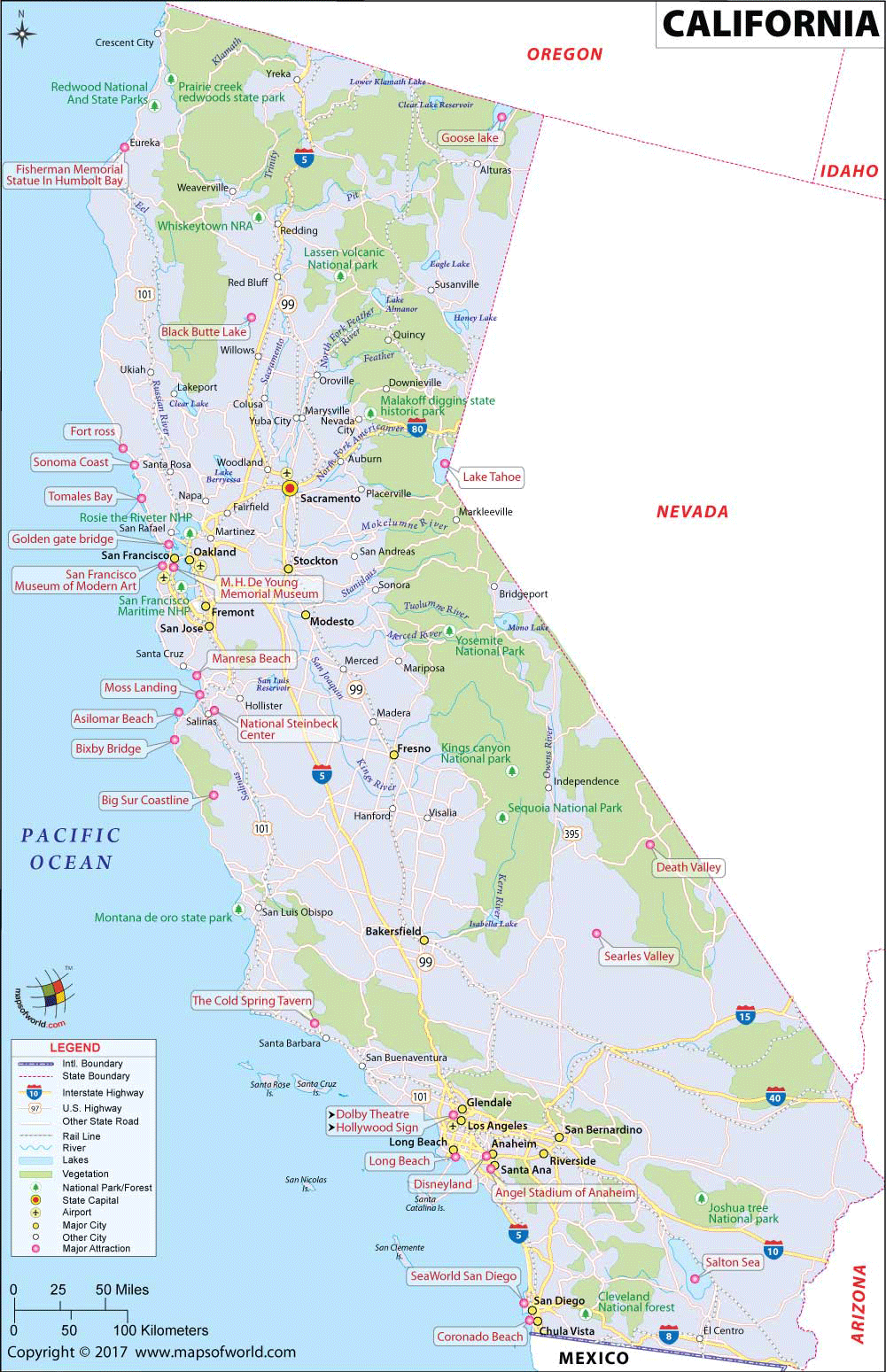
Several competing origin stories exist, each with compelling evidence. While no single theory has been proven definitively, most agree the modern fortune cookie took shape in early 20th-century California.
In fact, the debate became so famous that in 1983, San Francisco even held a mock trial in its Court of Historical Review to determine the cookie’s true birthplace
Theory #1: Los Angeles, 1918
One of the most widely cited stories credits David Jung, a Chinese immigrant and founder of the Hong Kong Noodle Company in Los Angeles.
According to legend, Jung created cookies containing inspirational Bible verses and distributed them to people in need around his neighborhood. These early cookies combined compassion with symbolism — a theme that still defines fortune cookies today.
Theory #2: San Francisco’s Japanese Tea Garden
Another popular theory credits Makoto Hagiwara, caretaker of the Japanese Tea Garden in San Francisco’s Golden Gate Park.
After being unfairly dismissed from his role and later reinstated, Hagiwara is said to have created thank-you cookies containing notes of gratitude for friends who supported him. By 1915, these cookies were reportedly served at the Panama-Pacific International Exposition.
This version is widely supported by historians and highlights strong Japanese-American influence in early fortune cookies.
Theory #3: Tourism in Chinatown
Some historians believe fortune cookies emerged as a creative response to tourism.
As San Francisco’s Chinatown evolved into a destination in the early 1900s, restaurants sought a memorable dessert for American visitors. A simple folded cookie containing a handwritten message may have been created to meet that demand — blending novelty with storytelling.
Theory #4: Ancient Mooncake Legends
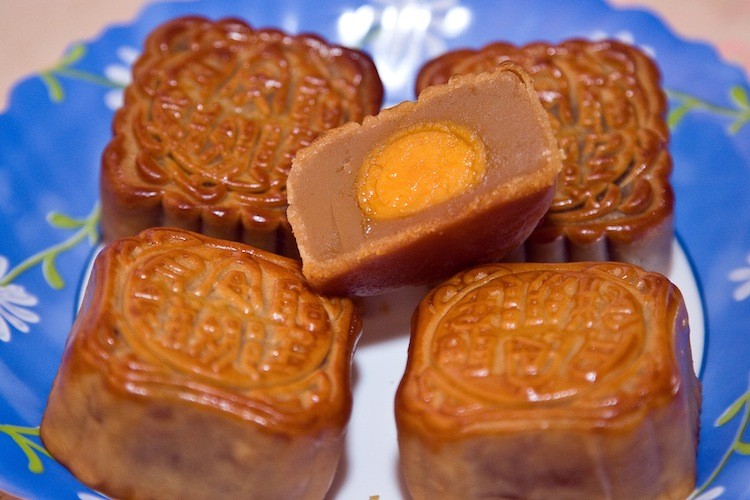
A more romantic theory traces the idea back centuries to China’s Ming Dynasty. Legend tells of messages hidden inside mooncakes to coordinate a rebellion against Mongol rule. While historians debate the accuracy of this story, it reflects a long cultural tradition of using hidden messages as symbols of unity and hope.
Some believe this storytelling tradition inspired later message-filled desserts in America
Theory #5: Japanese Roots in the 1800s
Historical woodblock prints from Japan dating to 1878 show street vendors selling folded crackers that resemble modern fortune cookies.
These early versions were:
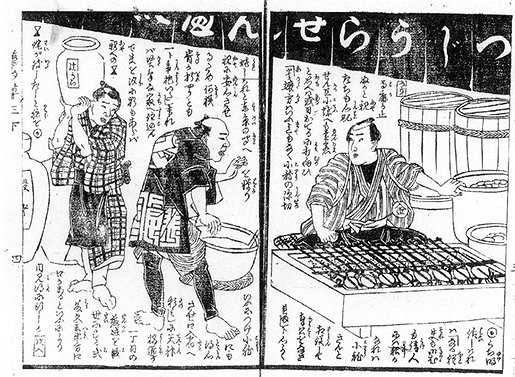
Many historians consider this the earliest visual ancestor of the modern fortune cookie.
How Fortune Cookies Became an American Tradition

Fortune cookies became widespread in the United States after World War II.
As Chinese restaurants adapted to American dining preferences, fortune cookies emerged as a light, memorable dessert — familiar enough to be comforting, yet exotic enough to feel special.
Over time, the message inside the cookie became the main attraction.
Early fortunes featured:
Later, fortunes evolved to include:
The Rise of Custom Fortune Cookies
By the late 20th century, fortune cookies evolved from restaurant novelty to a powerful storytelling tool.
They became popular for:
Today, custom fortune cookies are used by individuals and global brands alike to create meaningful, memorable experiences
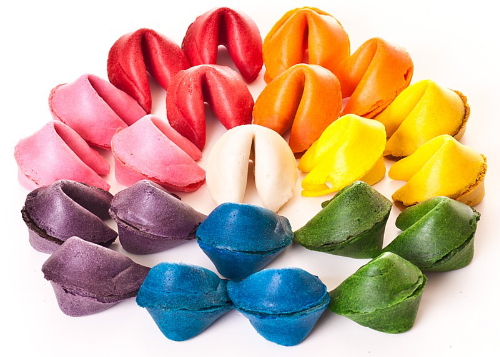
A Modern Chapter: Fancy Fortune Cookies®
In 1988, Fancy Fortune Cookies® helped redefine what fortune cookies could be.
Founded by Mike Fry, the bakery pioneered the idea of gourmet fortune cookies — introducing:
This marked a major shift from simple restaurant treats to personalized, premium confections.Today, Fancy Fortune Cookies continues that tradition by helping customers turn small moments into lasting memories — whether through weddings, celebrations, or creative brand experiences.
Why Fortune Cookies Still Matter Today
What makes fortune cookies so enduring is simple: They combine surprise, storytelling, and connection in one small bite.
Whether filled with wisdom, humor, or heartfelt messages, fortune cookies remind us that sometimes the smallest messages leave the biggest impressions.
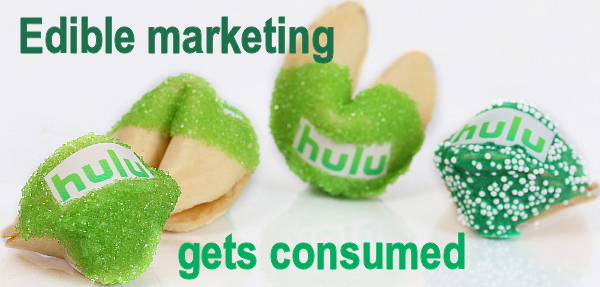
Since 1988, fortune cookies have become a valuable marketing and direct mail tool used by fortune 500 companies such as, Motorola, FedEx, Apple, Starbucks, MAC, Mariott, Johnson & Johnson, Guess, Ashley Furniture, Sony, Honda, Lilly, Pfizer, Blue Cross Blue Shield, Bank of America, GM, AT&T, Google, Twitter and many more.

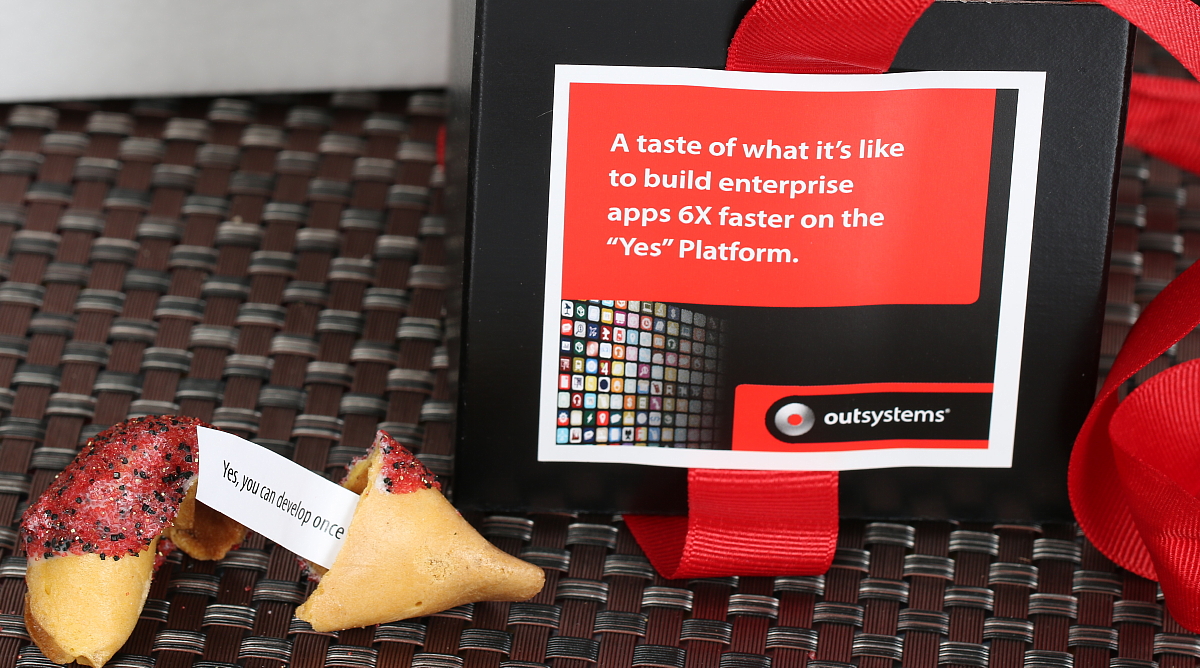
Fortune Cookies for business promotion
Some of the world's biggest, most prestigious brands trust Fancy Fortune Cookies® for their unique, memorable and profitable promotions. We specialize in customized messages, logo cookies, personalized packaging, brand color matching and so much more. Whatever you can dream, we can bake.


